

 You’re watching your child eat and something catches your eye. Their teeth don’t seem to line up quite right. Maybe the front teeth overlap more than they should, or there’s a gap that wasn’t there before. It’s easy to brush it off as “just how their teeth grew in,” but a bite that’s out of alignment has a name, and it’s worth understanding sooner rather than later.
What Is Malocclusion?
Malocclusion simply means an abnormal bite, a misalignment between the upper and lower teeth when the jaw closes. It shows up in many forms: overcrowding, open bite, deep bite, underbite, crossbite, uneven spacing, or missing teeth that pull surrounding teeth out of position. No two cases are identical, and severity ranges from mild to significant.
What Causes It?
Genetics plays the biggest role. Jaw shape and tooth size are largely inherited, and a mismatch between the two is a common culprit. But habits and circumstances during childhood matter too. Prolonged dummy or thumb sucking, extended bottle feeding, early tooth loss, jaw trauma, airway obstruction from enlarged adenoids or allergies, and underdeveloped jaws can all influence how a bite develops over time.
Signs to Watch For
Malocclusion doesn’t always look like what you’d expect. Beyond visibly misaligned teeth, signs can include difficulty or discomfort when chewing, speech difficulties, mouth breathing, accidentally biting the cheeks or tongue, and gradual changes in facial structure. Some children won’t mention that anything feels wrong. They’ve simply never known anything different.
How Is It Diagnosed?
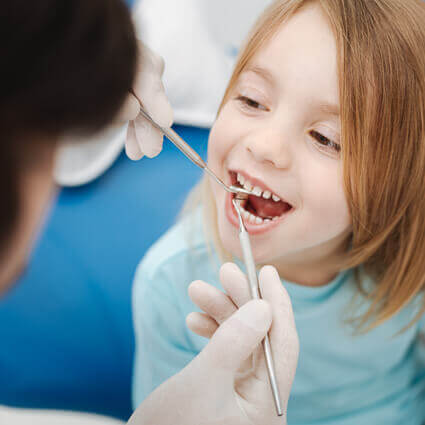
Screening for malocclusion begins at a child’s first dental visit and continues at every checkup from there. If a concern is flagged, Albury dentist Dr Ruchi Chandra will review the child’s medical history, examine the teeth and jaw, and take face and teeth X-rays to get a full picture of what’s happening beneath the surface. It’s a thorough process, and most kids handle it without any fuss.
Why Early Screening Matters
Identifying bite concerns early may provide more options while the jaw is still developing. Early monitoring and management can help support healthy dental development and function over time.
“I believe every child deserves a bite that works well for them, not just aesthetically, but for their confidence, comfort, and long-term oral health. Identifying concerns early can help guide appropriate next steps,” says Dr Ruchi.
If something about your child’s bite has you wondering, bring it up at their next visit to The Tooth Affair. Early questions can help families better understand their child’s dental development.